

More than two dozen federal applications to grow cannabis for research purposes have stalled as Attorney General Jeff Sessions’ Justice Department lets them languish. The bottleneck is frustrating researchers, doctors, and other stakeholders desperate to learn more about the drug.
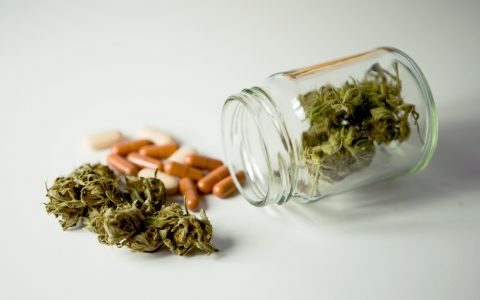
A year ago, the US Drug Enforcement Agency began accepting applications to grow cannabis for research, a move meant to improve the availability and quality of cannabis for use in scientific research. As part of the approval process, the DEA says it needs the DOJ’s sign-off—but so far that hasn’t come.
“They’re sitting on it,” one law enforcement official told the Washington Post, which first reported the story. “They just will not act on these things.”
A senior DEA official told the Post that “the Justice Department has effectively shut down this program to increase research registrations.’’
As a result of what’s effectively become a DOJ roadblock, researchers are struggling to access cannabis to conduct experiments into the drug’s health effects and clinical applications. To date, there is only one place in the US that has permission from the federal government to grow and distribute cannabis: the University of Mississippi. Not exactly a cannabis hotbed, historically speaking.
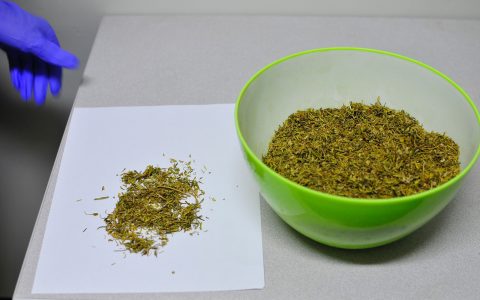
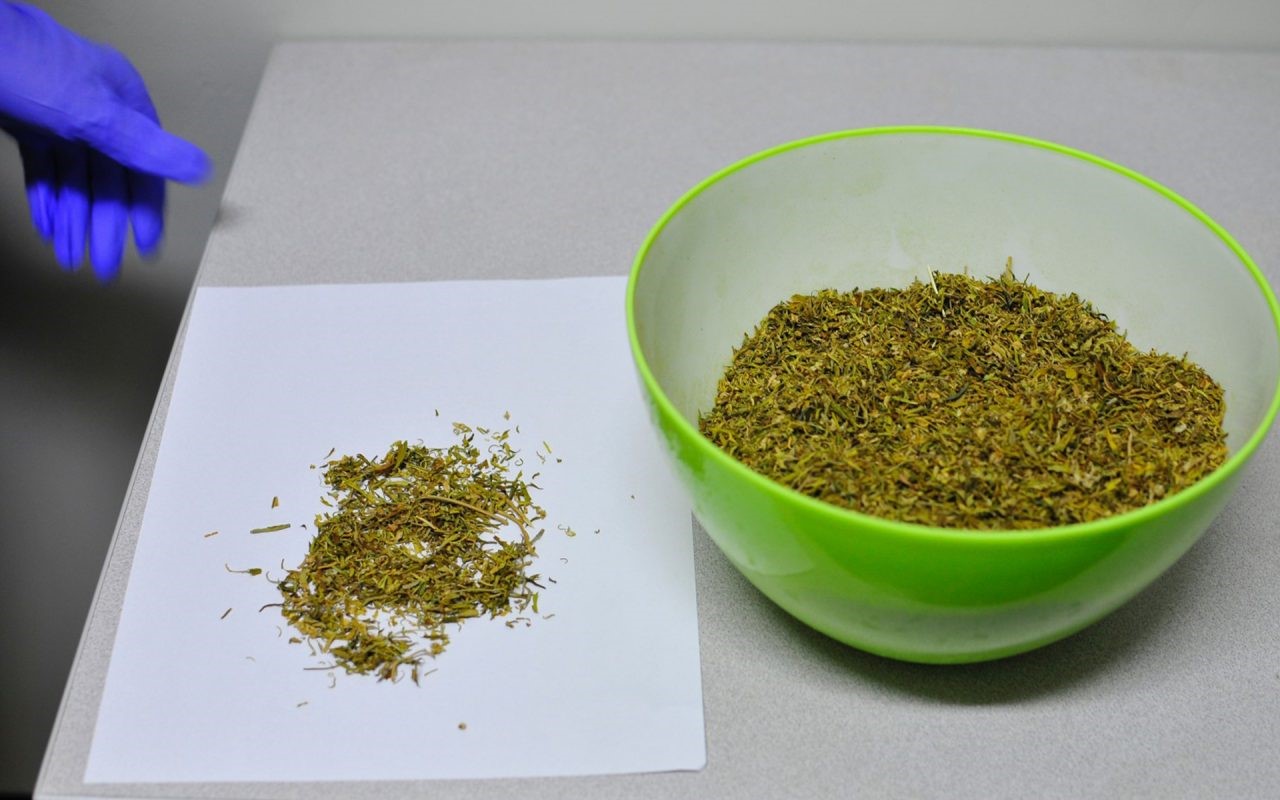
The cannabis that is grown at Ole Miss is nothing to write home about. In some cases, it barely even looks like cannabis. As Leafly reported in March, cannabis provided by the National Institute on Drug Abuse (NIDA) for a study into PTSD looked less like medical marijuana and more like clippings you might dig out of an old lawnmower.
In the PTSD study, Johns Hopkins University was slated to help conduct the multiyear clinical trial, sponsored by the nonprofit group Multidisciplinary Association for Psychedelic Studies, or MAPS. But soon after the researchers received the government-grown cannabis, John Hopkins pulled out of the study. In a statement to Leafly, a university spokesperson said the school withdrew “because our goals for this weren’t in alignment.”
MAPS spokesman Brad Burge, however, told Leafly that the poor-quality cannabis was the primary reason the study hit a road block. “NIDA wasn’t able to provide the relatively high THC level that we wanted to look at,” Burge said. “We asked for a 12% THC strain, and they were only able to get us a 10%.” For reference, the bulk of cannabis sold at adult-use stores in legal states exceeds 20% THC.
Acting DEA Administrator Chuck Rosenberg said last year that the DEA would “support and promote legitimate research regarding marijuana and its constituent parts.” At the time, the statement was a victory for cannabis researchers. But so far little has come of it.

{loadposition user99}

