People also ask
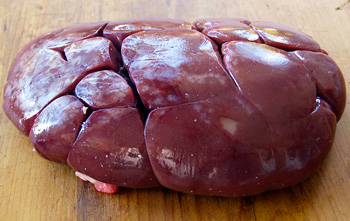
A 3.5-ounce serving of cooked beef or chicken liver supplies more than your daily requirement of vitamin B12 and large amounts of other B vitamins. It is also rich in protein, zinc, copper, iron, and even vitamin C, with only about 180 calories and 6 grams of fat. PHOTO RIGHT COW LIVER
What vitamins are good for your liver?
Antioxidant vitamins such as C, E, and beta-carotene; minerals such as zinc and selenium; B-vitamins that aid alcohol metabolism; and herbs said to “cleanse” the liver such as milk thistle, dandelion root, and schizandra, might help protect liver cells while ridding our body of poisons.
Why do you soak liver in milk before cooking?
First Secret you must know: An hour or two before dinner, place liver in a shallow bowl (or a ziplock bag) and cover with milk and refrigerate. Let soak as long as possible. This will remove much of the bitter taste from the meat. … Saute the liver in the melted butter slowly, turning once.
Is beef liver high in iron?
All of these are high in iron. For example, a 3.5-ounce (100-gram) serving of beef liver contains 6.5 mg of iron, or 36% of the RDI (14). Organ meats are high in protein and rich in B-vitamins, copper and selenium.
Which has more iron chicken or beef liver?
Beef liver contains much less iron, around 5 milligrams per 3-ounce serving, compared with chicken liver, which contains 11 milligrams per 3-ounce serving. … Goose liver contains a large amount of iron, 28.7 milligrams per 100-gram serving, which is approximately 3 ounces.
Follow these six steps to help boost your health and vitality:
Remove toxic foods from your diet.
Drink raw vegetable juice.
Load up on potassium-rich foods.
Do a coffee enema.
Take milk thistle, dandelion and turmeric supplements.
Eat liver or take beef liver tablets.
Can a damaged liver repair itself?
As cells die, scar tissue develops. This is known as liver cirrhosis. If excessive alcohol use and scarring continues over time, eventually the liver can become too scarred to function properly. Some alcohol-related liver damage can be reversed if you stop drinking alcohol early enough in the disease process.
What foods can damage the liver?
Too much refined sugar and high-fructose corn syrup causes a fatty buildup that can lead to liver disease. Some studies show that sugar can be as damaging to the liver as alcohol, even if you’re not overweight. It’s one more reason to limit foods with added sugars, such as soda, pastries, and candy.
How many years does it take to damage your liver?
About 10 to 20 percent of heavy drinkers usually develop cirrhosis after 10 or more years. Generally, drinking 80 grams of ethanol daily for 10 to 20 years is required to develop cirrhosis which corresponds to approximately one liter of wine, eight standard sized beers, or one half pint of hard liquor each day.
ARTICLE
Liver: Love It or Leave It?
ADVERTISEMENT

Good news: Ounce for ounce, liver is probably more nutritious than any other food. A 3.5-ounce serving of cooked beef or chicken liver supplies more than your daily requirement of vitamin B12 and large amounts of other B vitamins. It is also rich in protein, zinc, copper, iron, and even vitamin C, with only about 180 calories and 6 grams of fat.
Bad news: Liver is extremely rich in vitamin A. Over time a high intake of this vitamin may increases the risk of fractures, some research suggests (this is not true of beta carotene, which the body converts into vitamin A as needed). And a 3.5-ounce serving averages about 500 milligrams of cholesterol—more than in two large eggs. (While the latest Dietary Guidelines for Americans no longer put a daily limit on dietary cholesterol, some experts still caution that it may have adverse effects in some people, notably those with diabetes.) Half of the 6 grams of fat in that portion of liver are saturated. In addition, people usually fry liver in oil or butter (and often garnish it with bacon), which can double the calories.
Another potential problem: Liver is more likely than other meat products to contain high levels of pesticides (from animal feed), as well as antibiotics and other drugs that the animals may have been given. Though the USDA has found that the residues are below toxic levels, frequent consumption might be a problem.
Bottom line: It’s okay to eat small portions of liver on occasion.
What about other organ meats?
Like liver, many are quite nutritious, relatively low in saturated fat, but high in cholesterol. Tongue, heart, and tripe have no more cholesterol then regular meat does. But sweetbreads, gizzard, and spleen have as much cholesterol as liver; kidney has twice as much; and brains ten times as much. That dietary cholesterol shouldn’t scare you away from organ meats, but as always moderation is wise.
General symptoms of liver disease include the following:
- Abdominal pain (located on the right side of the body, beneath the ribs)
- Abnormal stools
- Flu-like symptoms (e.g., fatigue, nausea, vomiting, muscle or joint pain, fever)
- Loss of appetite
- Swelling of abdomen and/or legs
Symptoms that are more specific to liver problems include the following:
- Bleeding and bruising more easily
- Dark urine
- Jaundie (i.e., yellowing of skin/eyes)
- Sensitivity to medications (e.g., experiencing stronger side effects)
Liver disease may cause toxins that are normally filtered out of the blood by the liver to accumulate in the brain, leading to the following symptoms:
- Difficulty concentrating
- Memory loss
- Mental confusion
- Sleep disturbances
When normal liver function decreases, the following complications can occur:
- Decreased mental function, severe mental confusion, coma
- Erectile dysfunction (impotence)
- Immune system impairment, increasing the risk for infections
- Insulin resistance that can develop into type 2 diabetes
- Kidney dysfunction and kidney failure
- Osteoporosis (bone loss)
- Severe jaundice
- Severe itching
- Vitamin deficiencies
- Weakness, muscle loss
Complications of liver disease can be serious and life threatening. Portal hypertension (i.e., high blood pressure in the vein leading into the liver from the digestive tract) is a serious complication. This condition can damage blood vessels in other parts of the digestive system, causing the vessels to back up, weaken, and leak (called varices). Portal hypertension also can cause painful swelling in the abdomen (called ascites). This swelling can hinder breathing and lead to abdominal infection.
Liver disease also increases the risk for liver cancer (hepatobiliary cancer) and several different cancers of the lymph nodes.