
The Significance of Smokeables
Most cannabis patients are accustomed to smoking or vaporizing raw cannabis, but not every state medical marijuana program allows for the sale of flower. As can be seen in the table above, states that prohibit the sale of cannabis flower have the lowest patient-to-population ratios.
Despite recently adding new qualifying conditions, New York and Minnesota permit only cannabis oils, topicals, concentrate pens, and other non-smokable products. In Pennsylvania, smoking or dispensing cannabis in “dry leaf” form is also currently prohibited—but provisions exist in the law to ease that restriction upon a recommendation from the Medical Marijuana Advisory Board. Without the ability to purchase medical cannabis flower, it is questionable that enough patients will register to make the program successful.

The Importance of Access Points
Finally, investors and entrepreneurs must consider the number and distribution of dispensaries in a state. Although it might seem advantageous to be one of just a handful of dispensaries, limited access can backfire as a business model. If obtaining medical cannabis requires two hours of driving and waiting in line, for example, patients could be discouraged and end up making infrequent purchases, buying from illegal sources, or simply avoiding cannabis as treatment altogether.
While it’s clear numbers matter, the precise number of dispensaries needed for a market to succeed is less clear. States such as Colorado and Oregon have hundreds of dispensaries and are two of the most successful markets in the country. But it’s a complicated relationship: Nevada has only about 55 dispensaries and Illinois has 53—but the Silver State is considered a vibrant market while the Land of Lincoln struggles.
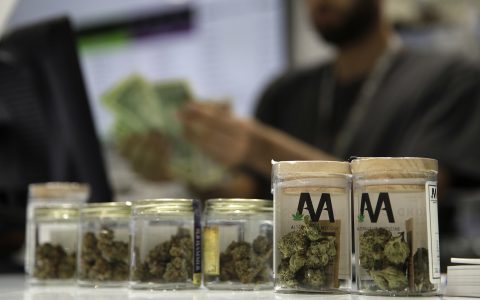
The difference between those two markets likely results from the inclusion of chronic pain as a qualifying condition in Nevada, as well as the concentrated population centers of Las Vegas and Reno having easy access to dispensaries.
Too few dispensaries and a market simply stagnates. In Massachusetts, despite an inclusive set of qualifying conditions and an embrace of other factors needed to be successful (such as smokeable flower), the medical market has had trouble attracting patients because there are currently only a dozen dispensaries. That’s about one dispensary per 560,000 state residents. And until recently, none offered delivery services to more remote regions of the state.

Cannabis markets are complex. Each one is unique. For a business to be successful and for a state market to be sustainable, stakeholders must consider multiple factors. The types of products and qualifying conditions included in the program are questions of greater relevance and importance than the size of the state’s population. And if the law is suboptimal, how hard and long will it take to improve the program? Are legislative changes needed to make it successful, or just regulatory adjustments? Most importantly, does the medical cannabis program offer enough benefits to attract the types of patients that drive a successful market?
With the right set of conditions, a medical marijuana market will drive hundreds of millions in cannabis sales each year and allow access to patients who need it. But in the wrong regulatory scheme, a cannabis license could end up being little more than an expensive trophy.
Photo credits: LPETTET/iStock, FatCamera/iStock
{loadposition user99}
